3 WORK ROOMS HAVE BEEN ADAPTED AND EQUIPPED IN THE PRESCHOOL INSTITUTION FROM ZRENJANIN.
The roots of organized work with preschool children date back to 1968. On September 1, 1968, the first preschool group began operating at “Dobrila Stambolić” Elementary School with 30 children.
On the initiative of the Municipal Assembly and the Child Protection Institute of Svrljig, the “October 13th” Children’s Kindergarten was established in 1978. In 1993, the kindergarten was renamed the “Poletarac” Institution for Preschool Children, and in 2011, it became the “Poletarac” Preschool Institution.
Through the allocation of funds from the municipal budget, the implementation of projects and various programs supported by the ministries of the Government of the Republic of Serbia, UNICEF, the Center for Interactive Pedagogy, the Standing Conference of Towns and Municipalities, and other collaborators, and the creation of various programs aimed at developing inclusive practices, the work of the institution has been enhanced.
Today, the institution serves 250 children aged 1 to 6.5 years. Educational and developmental work is conducted in 11 educational groups.
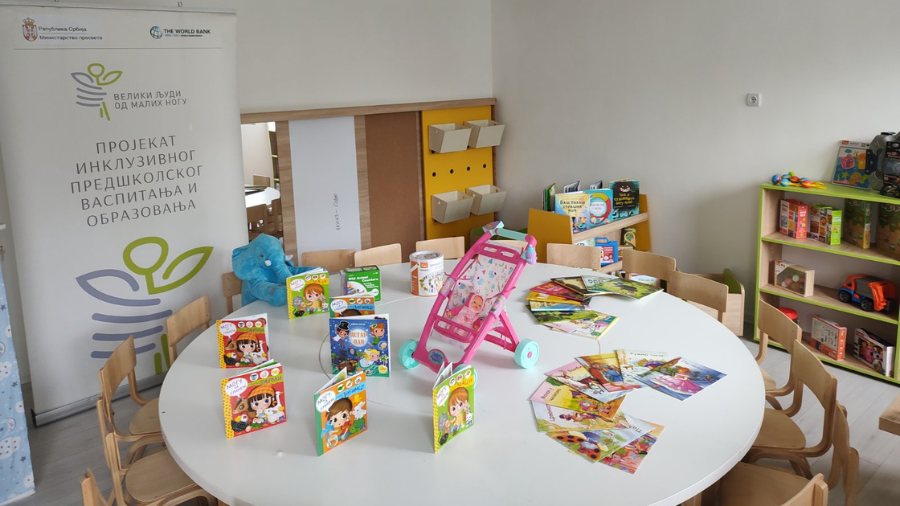
By participating in the “Inclusive Preschool Education and Care” program implemented by the Ministry of Education with the help of the World Bank, two classrooms in the separate facility in the village of Drajinac have been adapted and equipped. This marks another step toward achieving the goal defined in the Strategy for the Improvement of Preschool Education in the Municipality of Svrljig for the period 2020-2025 – increasing the enrollment of children aged 6 months to 5.5 years by enriching the offer of various quality programs, considering the needs of the family and local community, and developing partnerships with all relevant participants in the process of preschool education.
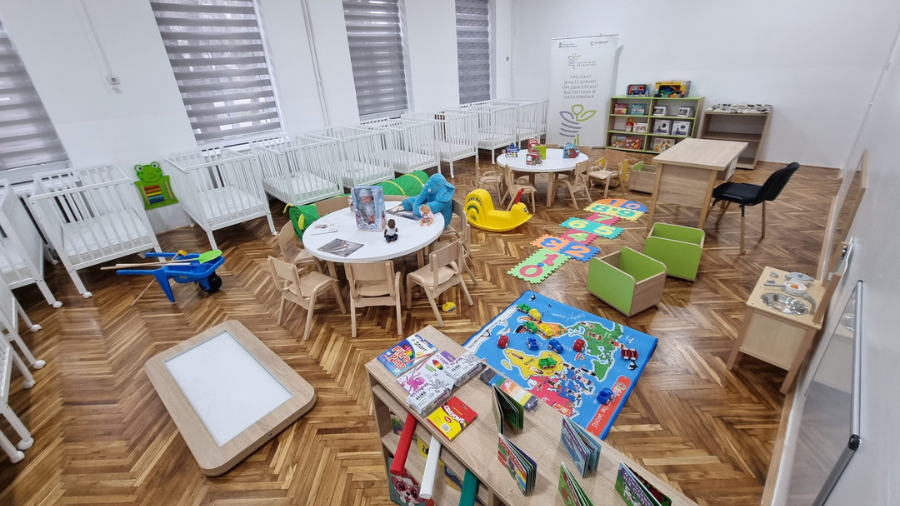
The adaptation of the space involved the renovation of toilets, flooring, smoothing and painting walls, replacing interior and exterior carpentry, and replacing outdated electrical installations. The classrooms have been equipped with modern furniture, didactic materials, toys, books, picture books, and other materials used in educational work.
You can see the photos here.
In 1858, the first organized kindergarten was established in what is now the city of Zrenjanin, while the modern preschool institution was founded in 1990.
Today, the Preschool Institution in Zrenjanin conducts educational work, care, health-preventive protection, social work, and nutrition for children aged 6 months to school age in 20 facilities. In the 2023/2024 school year, a total of 2655 children were enrolled, divided into 117 educational groups. The institution also includes an administrative building and one group in the children’s department of the Zrenjanin hospital.
To ensure the quality of educational work, efforts are made to provide resources for adapting spaces and equipping kindergartens with furniture, didactic materials, toys, various equipment, experimental tools, audiovisual materials, literature, and ICT equipment. The resources for adaptation and equipping are provided with the help of the local community, creating didactic materials in the kindergartens involving children, educators, parents, and local community experts, as well as implementing numerous projects.
As part of the “Inclusive Preschool Education and Care” project implemented by the Ministry of Education with the help of the World Bank, 3 classrooms have been adapted and equipped. In the “Zvončica” kindergarten, 2 classrooms for nursery-aged children were adapted and equipped, and in the “Decča radost” kindergarten, one classroom for preschool-aged children was adapted and equipped.
The adaptation of the space included painting, replacing, repairing, and sanding parquet floors, painting radiators, and installing LED panels. The classrooms were equipped with the most modern furniture, didactic materials, toys, picture books, and other materials needed for educational work. This has created an environment that allows children to grow and develop in a safe and stimulating setting, enabling them to explore, play, and learn with their peers.
The significance of the ” Inclusive Preschool Education and Care” project, through which the classrooms in the Preschool Institution in Zrenjanin were adapted and equipped, is extremely significant as it improves the quality of work, increases the coverage of children, ensures the availability of preschool services, and creates equal opportunities for learning and development for all children.
You can see the photos here.
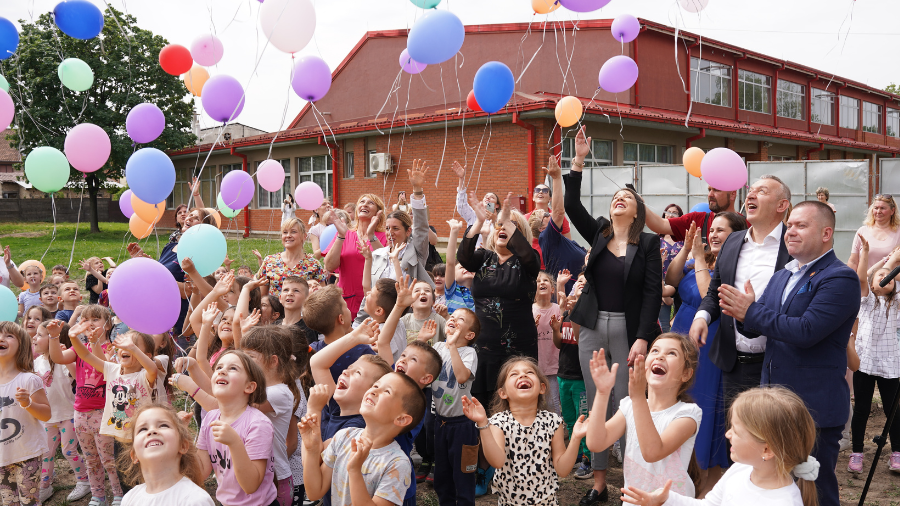
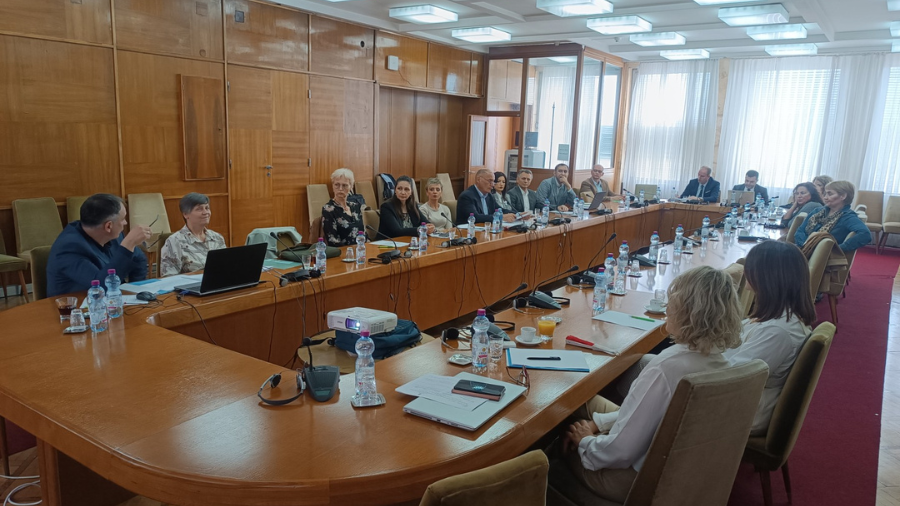
The Ministry of Education, within the framework of the “Inclusive Early Childhood Education and Care” project, provides support for improving the initial training of preschool teachers as part of the reform processes in the preschool education system initiated by the introduction of the new preschool education program concept – “Godine uzleta”.
To present the results of previous activities in supporting the enhancement of the quality of initial training for preschool teachers and particularly to consider the Proposal for Revision of Standards for Accreditation of Study Programs for Training Preschool Teachers, a Professional Consultation was held on Wednesday, April 3, 2024, at the Palace of Serbia in Belgrade, Mihajla Pupina 2 Bulevard. The consultation included members of the National Accreditation Body (NAB) and the Commission for Accreditation and Quality Assurance (CAQA).
The consultation was opened with an introductory address by the Assistant Minister for Preschool and Primary Education, Dr. Milan Pasic.
“The aim of Component 2 is to improve the quality of preschool upbringing and education through activities that strengthen the competencies of practitioners for the application of the new program basis, enhance initial training and professional development of preschool teachers, and improve the quality evaluation of preschool institutions.
We face the challenge of stabilizing and further developing the changes we have jointly initiated, as well as ensuring that the initial training of preschool teachers keeps pace with the changes required of practitioners in accordance with the Standards of Competence for the Profession of Preschool Teachers.”
Assistant Minister for Higher Education, Dr. Aleksandar Jovic, spoke about supporting the improvement of initial training through the Project.
“In the previous period, we initiated activities to enhance the initial training of preschool teachers, particularly in segments related to the implementation of professional practice in training schools in collaboration with higher education institutions and preschools. This includes aligning study programs/courses with the Standards of Competence for the Profession of Preschool Teachers and their professional development, in close cooperation with representatives of higher education institutions that train preschool teachers and preschools where they perform and further develop their complex professional roles.”
Following the introductory addresses, project consultants Dr. Vesna Colic, Professor of Professional Studies at the College of Professional Studies for Preschool Teacher Education in Novi Sad, and Prof. Dr. Aleksandar Stojanovic from the Faculty of Teacher Education at the University of Belgrade, briefly acquainted the participants with the project results to date and presented the Proposal for Revision of the Standards for Accreditation of Study Programs for Preschool Teacher Education.
A discussion on the presented Proposal then followed. The first to join the discussion was Prof. Dr. Milorad Milovančević, President of the National Accreditation Body. He emphasized that the consultants (Prof. Dr. Zivka Krnjaja, Dr. Vesna Colic, and Prof. Dr. Aleksandar Stojanovic) had done a complex and quality job (Recommendations for aligning study programs, a student practice model in training schools – Prototype) aimed at improving the initial training of preschool teachers, including the Proposal for Revision/Amendment of the Standards for Accreditation of Study Programs. Dr. Branko Boskovic, Professor of Professional Studies, agreed and added that this is not a revision of the Standards, but an improvement.
Other participants – members of the National Accreditation Body, Ministry representatives, professors from colleges and faculties that train preschool teachers, and a representative of practitioners from preschool institutions – expressed positive opinions regarding the presented results. It was concluded that after the Consultation, the improved Standards, i.e., additional guidelines for the application of standards related to preschool teacher education, would be sent to CAQA for further implementation.
The consultation was moderated by Biljana Kojovic, coordinator of component 2 of the Project.
Веб презентација је лиценцирана под условима лиценце Creative Commons Ауторство-Некомерцијано-Без прерада З.О Србија Веб пројекат srbija.gov.rs